كتبت د / نورهان عبد المجيد
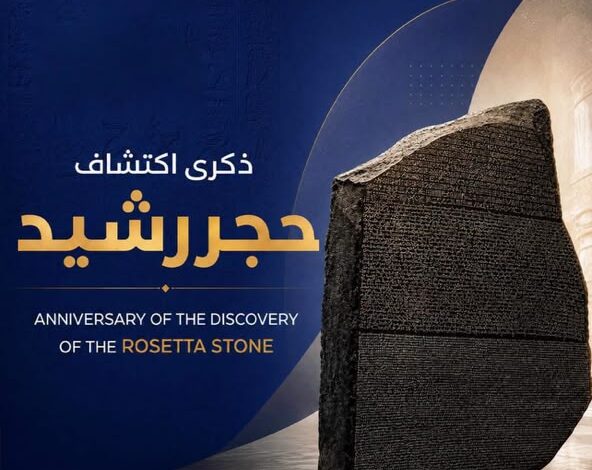
في 19 يوليو 1799، شهد العالم أحد أهم الاكتشافات الأثرية في التاريخ، باكتشاف حجر رشيد بمحافظة البحيرة، على يد أحد ضباط الحملة الفرنسية أثناء أعمال تحصين قلعة سان جوليان.
ويُعد حجر رشيد أحد أهم الاكتشافات الأثرية في العصر الحديث، إذ مثّل المفتاح لفك رموز اللغة المصرية القديمة، وأسهم في تأسيس علم المصريات بعد أن تمكن العالم الفرنسي جان فرانسوا شامبليون من قراءة نصوصه عام 1822.
ويعود الحجر إلى عام 196 قبل الميلاد، ويحمل مرسومًا أصدره كهنة منف تكريمًا للملك بطلميوس الخامس، وقد نُقش بثلاثة خطوط هي الهيروغليفية والديموطيقية واليونانية القديمة. وأسهم وجود النص نفسه بهذه الخطوط في تمكين العلماء من قراءة آلاف النصوص المنقوشة على المعابد والمقابر والبرديات، كاشفًا عن جوانب واسعة من تاريخ وحضارة مصر القديمة. ولا يزال حجر رشيد حتى اليوم أحد أشهر القطع الأثرية في العالم، ورمزًا للإنجاز العلمي الذي غيّر فهم العالم للحضارة المصرية القديمة
On the 19th of July 1799, one of the most important archaeological discoveries in history was made when the Rosetta Stone was uncovered in Beheira Governorate by a French officer during fortification works at Fort Saint Julien.
Dating to 196 BC, the stone bears a royal decree issued by the priests of Memphis in honour of King Ptolemy V.
What made this remarkable artifact truly extraordinary was that the same text was inscribed in three scripts—Hieroglyphic, Demotic, and Ancient Greek.
Its discovery ultimately led to the decipherment of the ancient Egyptian language by Jean-François Champollion in 1822, unlocking the secrets of thousands of inscriptions on temples, tombs, and papyri and laying the foundations of Egyptology.
More than two centuries later, the Rosetta Stone remains an enduring symbol of discovery, scholarship, and the extraordinary legacy of Ancient Egyptian civilization, one that forever transformed our understanding of the past.